
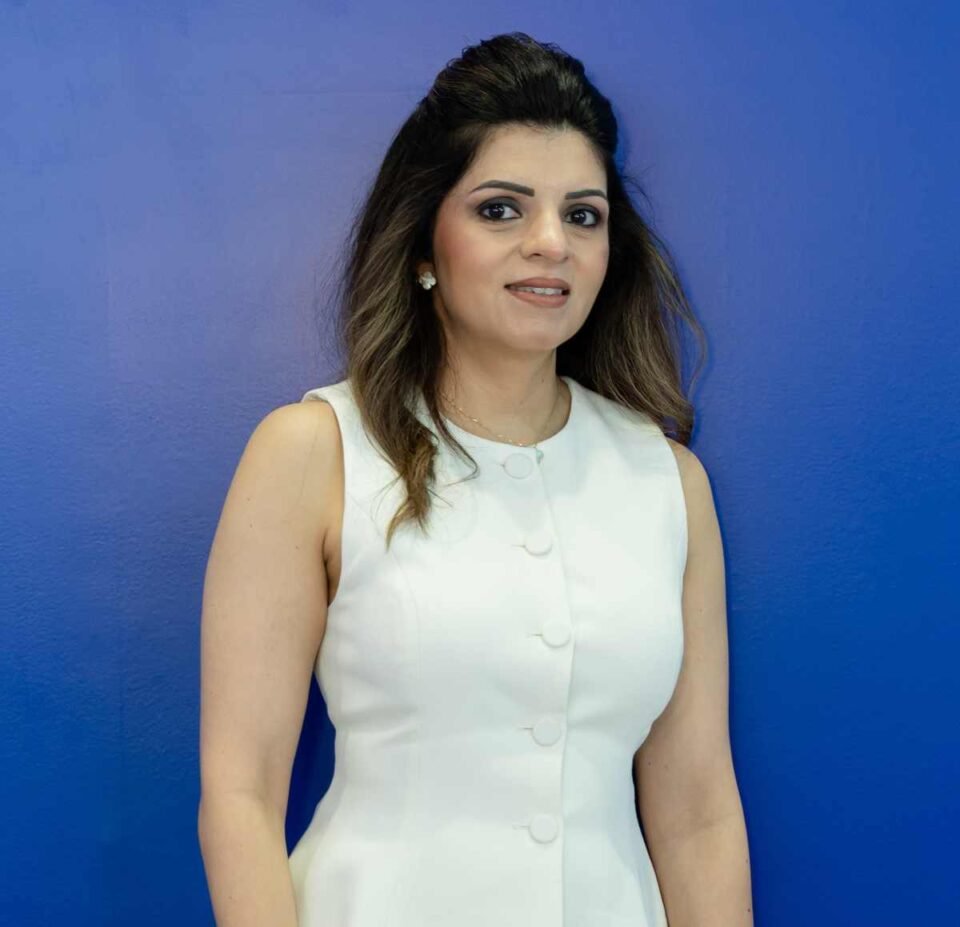
Kiara Israni, Marketing Manager, Emerging EMEA at Sophos, on leadership, inclusion, and driving innovation in cybersecurity.
As part of Techitup Middle East’s International Women’s Day 2026 Leadership Series, we spotlight women leaders shaping the future of technology across the region. In this feature, Kiara Israni shares her professional journey, leadership insights, and advice for women in tech.
We are entering a defining AI-driven era. How is AI changing leadership expectations for women in tech?
Kiara Israni: AI is not just reshaping leadership, it is redefining what leadership demands. Surface-level technological fluency is no longer enough. Today’s leaders must navigate genuine complexity, make ethically grounded decisions, and translate innovation into measurable outcomes.
For women in tech, this inflection point is more than significant, it is strategic. AI systems are ultimately products of data, assumptions, and human judgment. Diverse leadership doesn’t just improve these systems; it determines how responsibly and effectively they evolve. In cybersecurity, where AI operates simultaneously as a force multiplier and a threat vector, that distinction carries real stakes.
The leaders this era needs are not those who fit the traditional mold. They are the ones who bring multidimensional thinking to hard problems and who hold innovation and accountability in the same hand. That is not a concession to inclusion. It is a competitive advantage.
What is one structural barrier that still needs to change for women to scale into more C-level and board positions in tech?
Kiara Israni: Access to revenue and transformation ownership remains a key barrier. Many talented women lead teams exceptionally well but are not always given mandates tied to P&L, enterprise risk, or large-scale digital transformation.
C-level and board roles often go to those who have carried measurable business accountability. If we want real change, organizations must be intentional about placing women in roles that influence growth strategy, cybersecurity posture, and AI adoption and not just functional execution.
It is not about readiness. It is about access. When women are trusted with high-impact responsibility, progression follows naturally.
Was there a defining moment in your career that changed your trajectory?
Kiara Israni: Yes, it was the moment I consciously reframed how I saw marketing. Early on, marketing can feel like execution: campaigns, messaging, launches. But in cybersecurity, marketing shapes how organizations understand risk, resilience, and trust.
When I started approaching marketing as a strategic level for growth, the one that influences positioning, market education, and long-term direction – my role evolved. I became part of broader conversations about expansion, AI trends, and emerging markets.
That shift taught me that sometimes your trajectory changes when you expand your own definition of impact first.
What leadership trait has helped you the most in navigating the tech industry?
Kiara Israni: Calm strategic focus. The tech industry moves fast, and AI has accelerated that pace even further. It is easy to be reactive.
What has helped me most is staying anchored in long-term priorities while adapting tactically. In cybersecurity, decisions carry real consequences. Teams look to leadership for clarity, especially during uncertainty.
When you can provide direction without urgency turning into panic, it builds trust. And trust, particularly in technology leadership, is everything.
Lastly, what practical advice would you give young women entering the AI and digital economy today?
Kiara Israni: Be curious about the “why,” not just the “how.” Learn how AI and cybersecurity connect to business models, risk, and strategy. That broader understanding will differentiate you quickly.
Seek roles that stretch you beyond comfort especially those linked to decision-making authority or measurable impact. Growth rarely happens in safe assignments.
And importantly, do not wait to feel completely ready. The AI economy is evolving in real time. Confidence often follows action, not the other way around.
This is a powerful moment to enter tech. The industry needs thoughtful, diverse leaders who can shape innovation responsibly and that opportunity is very real.
This interview is part of the Techitup Middle East IWD 2026 Leadership Series, for women leaders who continue to accelerate innovation, champion diversity, and redefine the technology ecosystem across the Middle East and beyond.
